Blog

Uncategorized

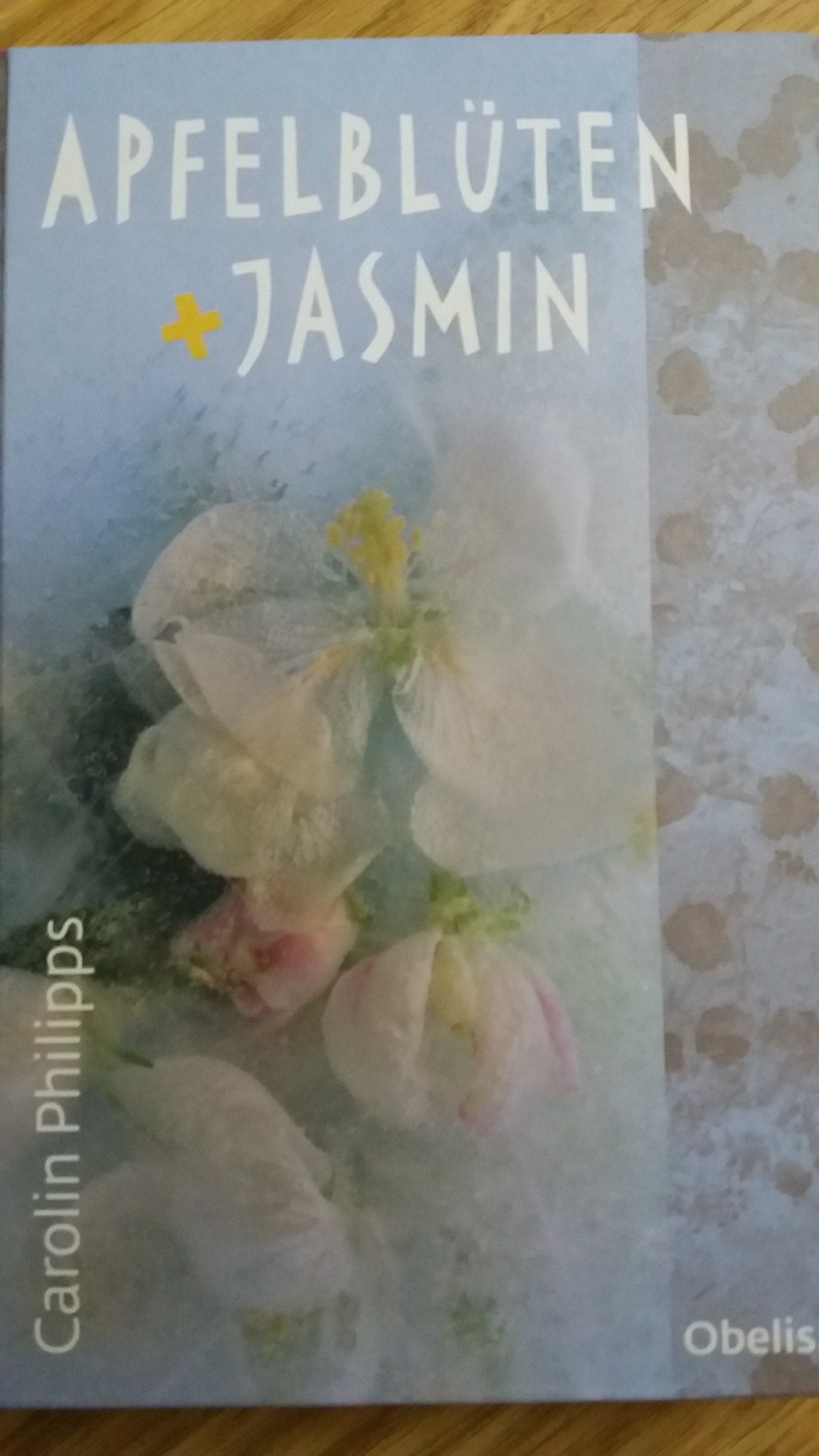
Refugee Week Book Blog: Apfelblüten und Jasmin by Carolin Philipps

In the opening pages of this German fictional novel, we encounter Talitha, a 16-year-old Syrian refugee who, it transpires, is at risk of being deported. In order to stay, she has to tell her story. Written in the first-person, it is an account of her journey and how she has become separated from the rest of her family during her journey. Her father was left behind at a border relatively early on in their journey, her mother and younger brother end up registering in Austria as her brother has fallen ill. Talitha continues on to Germany alone.

As she registers for asylum in Germany, she registers with a false date of birth, believing that her passage will be easier if she is 18. She quickly realises her error and then has to try and prove her status as a minor. With her mother registered for asylum in Austria, and her own registration having taken place in Germany, EU law will not allow either party to cross the border until their applications are complete. Talitha is completely alone.

After living for some time in a hostel, she is taken in by a friend’s family; however the family’s son is anti-refugee and frames Talitha for a fire at the family farm. Talitha faces a choice whether to destroy her friend’s family by telling the truth of who actually set the fire, or whether to take the rap for it and face deportation. In the end she chooses to flee the family home, leaving her testimony in an envelope that she slides underneath the son’s bedroom door as she leaves.

I love the title of this book – the jasmine representing her past while the apple blossoms represent her future. One of the things I particularly like about this book is how it takes specific factual events and focuses on the effect this event has on the refugees living in Germany. A terrorist attack takes place in France and the refugees in Germany feel the backlash. It also suggests the idea of ignorance as a key factor for xenophobia and fear. As the son becomes more informed about Talitha’s background and experiences, he becomes more sympathetic to her cause.

This would be another great addition for our English book shelves!

For more World Kid Lit titles, you can also visit the World Kid Lit blog.

Back to Refugee Week Book Blog

Uncategorized

Refugee Week Book Blog: Butterfly. From Refugee to Olympian, My Story of Rescue, Hope and Triumph by Yusra Mardini

Before I read this book, I had a certain perception of who refugees were. This book really opened my eyes.

Yusra Mardini hit the headlines when she competed in the swiiming events as a member of the Refugee Team at 2016 Olympic Games in Rio de Janeiro. Originally from Syria, this book is her story of her previous life in Syria and how all that changed. She fled from Syria, boarding a small dinghy headed for Greece. When the boat’s engine cut out still a distance from shore, her and her sister, as swimmers, slid into the water and pushed the boat to land.

Not to downplay this heroic act, Yusra herself comments, it is this feat that the journalists always hit upon and want to know more about. However, this book tells of more than simply this courageous act. It tells of the people Yusra and her family used to be and tells of the people they become as they begin their new lives in Germany. It outlines the difficulties of accepting charity when it was once you doing the giving.

It was this book that made me realise that the people fleeing lived very similar lives to ours – they had computers, they went out to restaurants, they had money. She is quite clear when she states that those fleeing on boats are the ones who can afford to pay the smugglers. Those who have no money cannot escape as her and her family are able to. It makes me reflect on what we would do if this were to happen here…

An amazing account of determination and drive and another example of a personal story behind the facts and figures.

Back to Refugee Week Book Blog

Uncategorized

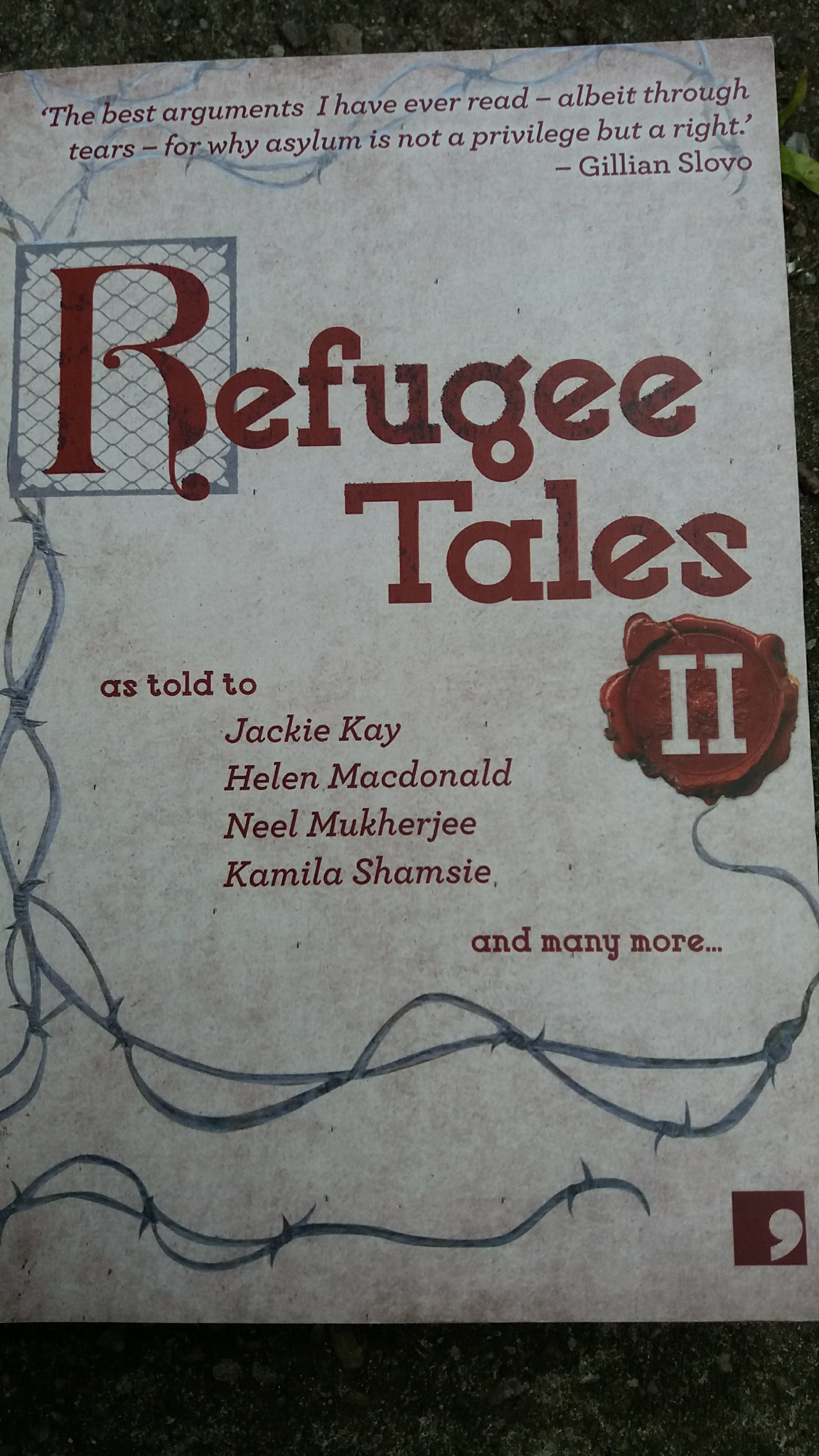
Refugee Week Book Blog: Refugee Tales

Refugee Tales Volume 2

At the beginning of June, I went to the Derby Book Festival event about Refugee Tales. During the event, Patrick Gale and Marina Lewycka spoke about the Refugee Tales project and the experience of producing this book. The book I am reviewing today is the third volume in the series, telling the stories of people who have been detained by immigration. Most of the stories relate to people held in the UK; however there are also stories from further afield.

As background to this collection, the Gatwick Detainees Welfare Group (GDWG) is a group of around 70 volunteers who visit and befriend people being held in the Gatwick Detention Centre. One of the shocking facts that I learnt at the Book Fair event, is that the UK is the only country in Europe that detains people indefinitely under immigration rules. The GDWG is campaigning for an end to indefinite detention. One of their outreach projects is Refugee Tales.

This series of books aims to give a voice to those who have been detained, raising awareness of the impact of detention on people’s lives. They take their inspiration from the Canterbury Tales and the idea of journeying. People who have left detention are introduced to writers who then write their story. Writer Patrick Gale described himself as a vessel, a scribe to whom a story is told to put down on paper.

The tales themselves are heartbreaking. They tell of a man who becomes a father, who within 14 hours of his son’s birth is taken from his room in detention for deportation, saved only by a technical problem with the aircraft. They tell of a young man who has spent his teenage years in England, who, once he turns 18, has to reapply to remain in the UK. He can no longer work. He can longer study. He is detained and after many requests for a single phone call, is eventually allowed to call his girlfriend to say he can’t collect her daughter from nursery. They tell of a pregnant lady, passed from person to person while she tries to receive appropriate medical care. They tell of an educated man who “disappears” in the system. Stories of an incompetent system, of seeing a different person at every meeting and of unprepared officials.

The way people’s lives are turned upside down in the blink of an eye is incredible. Someone turns up to sign in and instead they are detained, without their belongings, without a word to anyone. It has been eye-opening to hear how people are treated by the authorities in our own country and I feel indignant and angry on their behalf. One detainee asks: “I heard that you had human rights in the UK, but where are those rights?” This is another book to read and then pass to someone else to raise awareness of how people are treated in our country.

The other thing that Refugee Tales does is organise a week long event called “Walking with Refugees”. This year the group is walking from Brighton to Hastings in solidarity with refugees. Each day culminates in the telling of one of the tales. For more details, please see their website.

This third volume of Refugee Tales goes on sale in July and is available here. Many thanks to Comma Press for the advance copy.

Back to Refugee Week Book Blog

Uncategorized

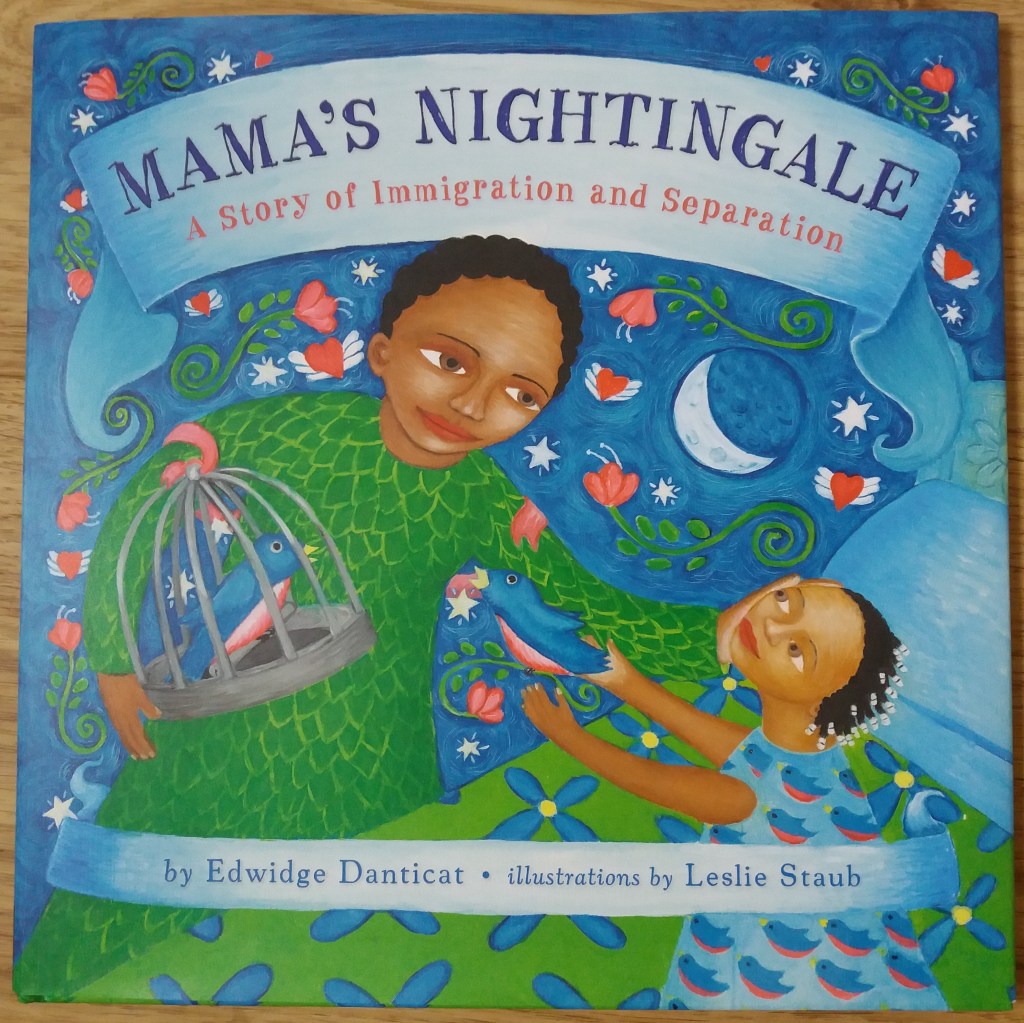
Refugee Week Book Blog: Mama’s Nightingale, A Story of Immigration and Separation by Edwidge Danticat, illustrated by Leslie Staub

Today’s book comes from a different part of the world but one that faces it’s own challenges: Mama’s Nightingale, A Story of Immigration and Separation by Edwidge Danticat, illustrated by Leslie Staub (Dial Books).

This book is written from the perspective of Saya, a young girl in America, whose Haitian Mama is in the Sunshine Correctional, “a prison for women without papers”. We feel Saya and her Papa’s sadness that Mama can’t be with them and the pain of separation following a prison visit. Mama starts to send Saya a cassette tape every week with a bedtime story recorded on to it and Saya listens to the tape, imagining Mama tucking her in and kissing her goodnight.

Papa keeps writing to newspaper reporters, the mayor, the congresswoman but nobody ever writes back. One day Saya asks if she can write and she does just that. She writes her story in her words which is then sent to the papers. One paper picks up on her story and soon they are inundated with people wanting to talk to Saya and Papa about Mama. consequently, Mama’s case gets brought before a judge (a black female judge!) and finally she is allowed home while she waits for her papers.

The illustrations in this book are wonderful. The colours and the imagery are just fabulous. I love colour and this is so bright and captivating. We see the nightingale pictured on most pages, sometimes in a cage, sometimes free. The use of thought and sound bubbles help to imagine what Saya is thinking and feeling – a locked padlock here, an unlocked padlock later on, and Mama, floating all around.

When my 8 year old son and I read this, it sparked such a big discussion. The concept of “papers” is completely alien to him. So first we had to look on his wall map to see where Haiti is in relation to America. We then talked about work permits, relating that to his aunt, who lives in Australia. We then got onto Brexit and how at the moment we can live and work anywhere in Europe. We used his classroom and classmates as the example of the 49% vs. 51% and discussed democracy. We kept on going and I fetched out my old passport with stamps and visas for places like Australia and India, which he found fascinating. And all because we read a book. Amazing!

For more World Kid Lit titles, you can also visit the World Kid Lit blog.

Back to Refugee Week Book Blog
Uncategorized

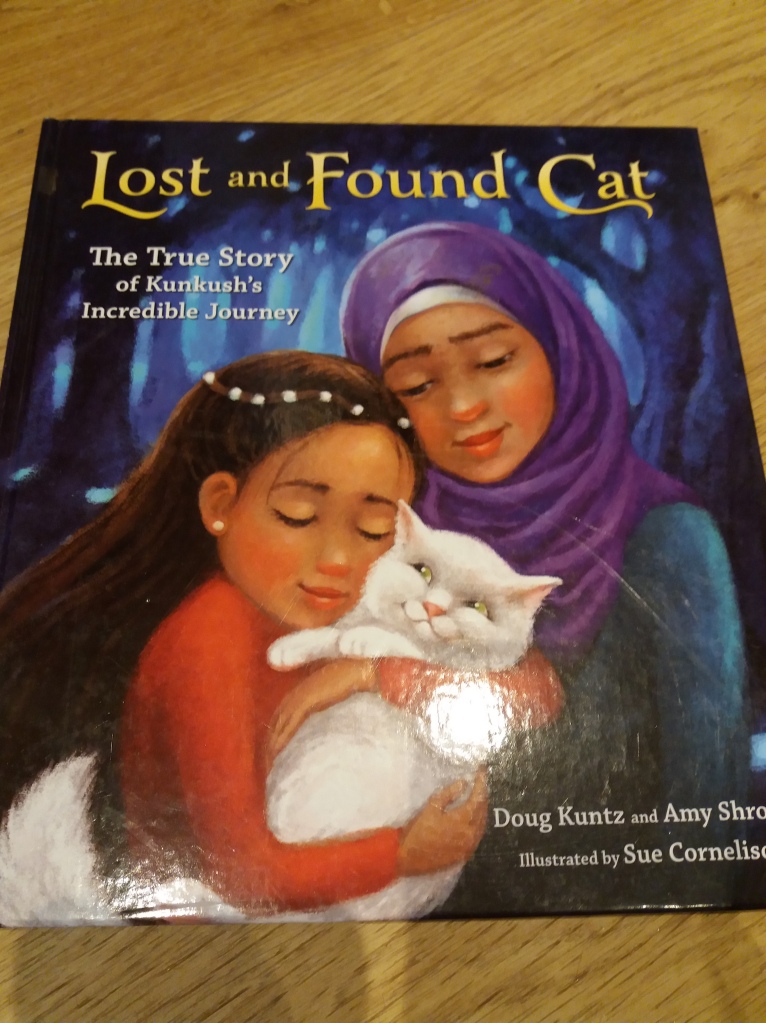
Refugee Week Book Blog: Lost and Found Cat by Doug Kuntz and Amy Shrodes. Illustrated by Sue Cornelison

An extra one for you today: Lost and Found Cat by Doug Kuntz and Amy Shrodes. Illustrated by Sue Cornelison (Crown Books).

Like this morning’s book, Flucht, this story is about a family that takes their cat with them on their journey. Rather than a fictional tale however, this one is true.

The story begins with the family leaving Iraq and, unwilling to leave their beloved cat Kunsush behind, they take him with them, hiding him in a basket. It all goes well until the boat-crossing to Greece, when the cat basket gets broken in the chaos of landing and Kunkush runs away in fear.

The family are distraught at the loss of their cat but have to move on to their next destination. Kunkush meanwhile tries to fit in with a group of local cats but is rejected by them. Some volunteers come across a starving, bedraggled Kunkush and, having heard the story of the family who lost their cat, set out to reunite them.

It is story of people’s love for animals and the lengths people will go to out of human kindness. The fact that the story was shared so far and wide on social media before the book was produced, shows how it has touched a core with many people. You can watch a YouTube video about Kunkush’s journey here. I find it incredible to think that the family managed to hide the cat in a basket for so long without him being discovered.

The rejection by the other cats can also be seen as a metaphor for the rejection of people by other people. By concentrating on the cat’s journey, it opened up discussion about the human journey, too. The map at the back really helped to visualise just how far this family and their cat had travelled.

What my kids had to say:

Dominic (8): I thought the photos at the end were interesting because I hadn’t realised it was a true story. 

Emma (5): The cat’s really cute!

For more World Kid Lit titles, you can also visit the World Kid Lit blog.

Back to Refugee Week Book Blog